The Cajun Tradition

Louisiana is home to the Cajun people, a vibrant
culture that has managed to hold onto its identity for centuries despite the
pressures of the modern world to abandon the past. You may already be familiar
with Cajun food, music, and dance, all displaying strong, passionate tastes for
living and accentuating the enjoyment of life, as the familiar expression “bon
ton roulette!” says, “let the good times roll!” But you can’t fully appreciate
the exuberance of the people until you know about their history.
Their ancestors came from France almost 400 years
ago and settled the part of Canada we know today as Nova Scotia. They became
acquainted with the native people known as the Micmac, from whom they learned
how to survive in the new terrain, and also gained a new outlook on life. The
Micmacs had a system of rules and beliefs by which all people were considered
equal, and power was awarded through merit, not inheritance. The French
settlers formed their own separate identity naming their land “L’Acadie” from
the Micmac word for “land of plenty” and became known themselves as “Les
Acadiens.” The changes occurring in
world politics over the 150 years that followed resulted in almost 10,000
Acadians being imprisoned by the English, and then forcibly exiled from their
land. Much hardship was endured in their attempts to find a new home. One of
the few territories that accepted them was Louisiana, which was held by Spain
at the time. By 1785 the last major group of Acadians had arrived. The French
word "Acadiens" was eventually replaced with "Cadiens" and
the English word "Acadians" became "Cajuns."
The instruments in Cajun music include the fiddle,
which is the oldest, the diatonic accordion that was introduced from Texas
around 1840, the guitar that came even later and is used mostly as a rhythm
instrument, and the triangle providing percussion. The singing, done in the old
Cajun French language, is one of the most inspiring sounds you’ll ever hear,
and the combined instruments and vocals create irresistible dance music that
has wiped away the worries of the hardy Cajuns for many years.

The Balfa Brothers: Newport Folk Festival 1964
Listen to Dewey
Balfa play La Reel De Joi
As a result of the commercial success of pop music
recordings since the 1950’s, the traditional ethnic music of many American
subcultures has all but disappeared. In the early 1960's a fiddler named Dewey
Balfa choose to take action and save his own culture’s music from
extinction. Performing along with his brothers, he achieved international
recognition and in doing so inspired the Cajun community to see what they had
almost lost. He helped create the first “Festivals Acadiens" in Lafayette,
Louisiana in 1974. This festival displayed Cajun music with a pride never
before seen so clearly and helped to inspire a complete cultural revival.
Today
Dewey Balfa’s daughter Christine, and her nephew, Courtney Granger, carry on
Dewey’s dream. Their band Balfa Toujours, as well as many others tour
festivals around the world, and produce records bringing Cajun music to an ever
growing audience crossing geographic and cultural boundaries alike.
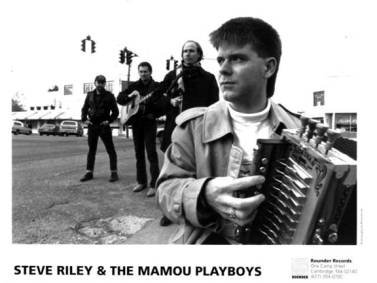
One of my favorite contemporary bands is Steve Riley and the Mamou Playboys. They have taken many of the Balfa Brothers older songs and given them a powerful modern arrangement. Click here to listen to them play Tes Parents Veulent Plus Me Voir Pronounced < tay paRAW v’loo ploo may VWAR > Translation: Your parents don’t want to see me hanging around.